
Views: 0 Author: Site Editor Publish Time: 2025-12-26 Origin: Site


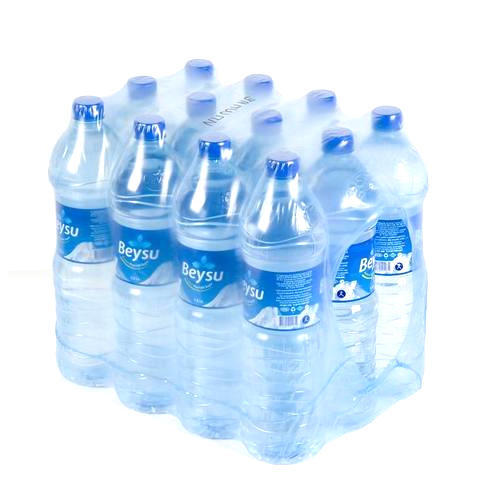
Manufacturing PET bottles is not just about melting plastic; it is a precision engineering challenge involving thermal stability, pressure management, and cycle-time optimization. Manufacturers must balance speed with structural integrity, ensuring that every container meets strict hygiene and durability standards. Even minor deviations in temperature or pressure can result in high scrap rates, compromising the profitability of the entire production line.
With the global shift toward PET (Polyethylene Terephthalate) due to its recyclability and strength-to-weight ratio, understanding the manufacturing workflow is critical for production efficiency. As consumer demand for diverse beverage packaging grows, producers face increased pressure to reduce wall thickness while maintaining barrier properties. This creates a technical environment where material science intersects directly with mechanical performance.
This guide moves beyond basic science to analyze the operational realities of the bottle blowing machine, comparing 1-stage vs. 2-stage processes and evaluating machinery based on Total Cost of Ownership (TCO). You will learn how pet bottles manufactured in modern facilities achieve consistency through advanced servo controls and precise heat profiling. We also explore the hidden costs of auxiliary equipment and how to mitigate common implementation risks.
Process Selection: The choice between 1-Stage (Hot Fill) and 2-Stage (Cold Fill) methodologies defines your operational flexibility and storage requirements.
Preform Dependency: In the 2-stage process, the quality of the final bottle is 70% dependent on the preform design and heating profile, not just the blowing pressure.
Machine Evaluation: High-volume production relies on pet bottle blowing machines with optimized servo-driven systems and efficient air recovery units to lower energy costs.
Material Science: Controlling Acetaldehyde (AA) levels and intrinsic viscosity (IV) during the melt phase is crucial for beverage taste and bottle strength.
The journey of a durable container begins long before the blowing process. Understanding the chemical properties of the raw material is essential for any production manager. PET (Polyethylene Terephthalate) is created through the polymerization of Ethylene Glycol and Terephthalic Acid. While the chemistry is complex, the most critical property for manufacturers is its hygroscopic nature. PET resin absorbs moisture from the air, which can cause hydrolysis during melting. If not dried properly, the molecular chains break, leading to brittle bottles and visual defects. Industrial dryers must reduce moisture content to below 50 parts per million (ppm) before the resin enters the melt phase.
The preform acts as the critical intermediate stage in the lifecycle of a PET bottle. Resembling a thick-walled test tube, the preform dictates the final distribution of material. Once the resin is injected into the preform mold, the neck finish—including the threads and locking ring—is fully formed. This area remains unchanged during the subsequent blowing process.
This physical constraint means the neck finish must be perfect right out of the injection mold. It cannot be resized or adjusted later. Furthermore, the wall thickness of the preform body must be impeccably uniform. Any variation in thickness here translates into thin spots or structural weaknesses in the final blown container. Before a preform enters the blowing machinery, it represents approximately 70% of the final product's quality potential.
Manufacturers must choose between two distinct operational methodologies. This decision impacts capital expenditure, floor space, and production flexibility. The industry divides these approaches into 1-step and 2-step processes.
In the 1-step process, the entire transformation happens within a single machine. The resin is injected into a preform mold and, while still retaining latent heat from the injection process, is immediately transferred to a blowing station. The preform is stretched and blown into the final shape without ever cooling down completely to room temperature.
This integrated workflow excels in producing specialty shapes and non-standard necks. Since the preform does not need to be reheated from a cold state, the energy efficiency per unit is often higher. However, the trade-off is throughput. Because the injection cycle (which is slow) is coupled with the blowing cycle (which is fast), the machine runs at the speed of the slowest process. This makes it ideal for lower volume, high-mix production where unique designs outweigh the need for massive output.
The 2-step process decouples the creation of the preform from the blowing of the bottle. Preforms are manufactured separately—either in-house or purchased from a third-party vendor—and stored as inventory. When production begins, these cold preforms are fed into a dedicated pet bottle blowing machine, passed through a reheating tunnel, and then blown.
This method dominates high-volume beverage production for water and carbonated soft drinks (CSD). By separating the stages, manufacturers can optimize the speed of both injection and blowing independently. The blowing machine can run at extremely high speeds, often exceeding 80,000 bottles per hour (BPH) on rotary systems. While it requires energy-intensive reheat tunnels to bring the preforms back to temperature, the scalability and flexibility to buy preforms from multiple suppliers make it the standard for mass production.
| Feature | 1-Step Process (Hot Cycle) | 2-Step Process (Cold Cycle) |
|---|---|---|
| Throughput | Low to Medium (limited by injection time) | High to Ultra-High (optimized for blowing speed) |
| Energy Profile | Efficient (uses latent heat) | Higher (requires reheating tunnels) |
| Flexibility | Excellent for custom shapes/necks | Excellent for volume and standard necks |
| Space Requirement | Compact (one machine) | Larger (two machines + storage) |
The modern bottle blowing machine is a marvel of thermal and mechanical synchronization. It transforms a rigid, small preform into a flexible, durable container in a matter of seconds. This transformation relies on three critical phases: heating, stretching, and blowing.
Before a preform can be reshaped, it must be conditioned to a precise temperature range, typically between 90°C and 115°C. This is achieved using Infrared (IR) or Quartz heaters lining the tunnel walls. The preforms rotate as they pass through the oven to ensure even heat penetration.
The concept of "Heat Profiling" is vital here. A uniform temperature is rarely the goal. Instead, operators adjust temperature zones along the length of the preform. For example, the base may need to be cooler to remain thick and stable, while the body requires more heat to stretch thinly. Complex plastic bottle designs demand aggressive heat profiling to ensure material flows exactly where needed, preventing thin corners or heavy spots.
Once heated, the preform enters the mold. The Injection Stretch Blow Molding (ISBM) process involves two simultaneous actions that define the structural integrity of the bottle.
Stretching: A mechanical stretch rod descends into the preform, extending it axially (lengthwise) until it reaches the bottom of the mold. This rod ensures the bottle is centered and determines its height.
Blowing: While the rod stretches the plastic, high-pressure air is injected. This occurs in two stages: a low-pressure pre-blow (approx. 10 bar) to establish the shape, followed by a high-pressure final blow (up to 40 bar). This pressure expands the preform radially (widthwise), pressing the plastic firmly against the chilled mold walls.
This combination creates "Bi-axial Orientation." By stretching the molecules in two directions—vertical and horizontal—the polymer chains align in a cross-hatch pattern. This alignment significantly increases the tensile strength of the bottle and improves its barrier properties against gas permeation, which is crucial for keeping carbonated drinks fizzy.
The final phase is solidification. The mold walls are actively chilled, usually with water, to freeze the plastic into its new shape instantly. Effective cooling prevents the bottle from shrinking or deforming after ejection. Depending on the machine design, the finished bottles are removed via robotic handling arms for precision or simple gravity drop systems for cost-effective, durable container lines.
Selecting the right machinery involves analyzing Total Cost of Ownership (TCO) and operational capabilities. Not all machines perform equally under the stress of 24/7 production environments.
Older blowing machines relied heavily on pneumatic cylinders for movement. While robust, pneumatic systems are prone to air leaks, inconsistent pressure delivery, and high maintenance costs due to seal wear. Modern facilities are transitioning to all-electric servo-driven systems. Servo motors offer superior precision, allowing for exact control over the stretch rod speed and mold clamping force. They consume less energy, operate cleaner (no oil mist), and provide repeatable cycle times that pneumatic systems cannot match.
Production capacity is a function of the number of mold cavities and the cycle time. Calculating the required output (Bottles Per Hour - BPH) versus mold cavities is a key decision point. A machine with higher cavitation (e.g., 24 cavities) lowers the unit cost per bottle by spreading overheads across more units. However, high cavitation increases the complexity and time required for mold changeovers. If a factory runs multiple SKUs, a lower cavitation machine with faster changeover times might offer better overall efficiency.
Compressed air is often the single largest electrical expense in a blowing facility. The high-pressure air (40 bar) used for the final blow is expensive to generate. Advanced machines now feature air recovery systems. These units recycle the exhaust air from the high-pressure blow stage and route it back to the plant's low-pressure network (7 bar) to power pneumatic cylinders or conveyors. Implementing air recovery can reduce total energy consumption by up to 30%, directly impacting the bottom line.
For contract manufacturers producing various bottle sizes—from 500ml water bottles to 2L soda containers—flexibility is currency. The best machines offer "tool-less" mold change features. These systems allow operators to swap out molds using quick-release mechanisms rather than heavy bolts and wrenches. Reducing changeover time from four hours to thirty minutes significantly increases machine availability and responsiveness to market orders.
Even with top-tier machinery, quality issues can arise. Understanding the root causes of common defects allows operators to troubleshoot effectively and maintain low scrap rates.
Pearlescence/Haze: If a bottle looks milky or pearlescent, it indicates the material was overstretched or the preform was too cold. Conversely, overall haze usually suggests overheating, where the material began to crystallize improperly.
Off-center Gates: The injection point (gate) should be perfectly centered on the bottom of the bottle. If it shifts, it creates a weak point susceptible to bursting. This is often caused by a bent stretch rod, misalignment between the preform and mold, or an uneven heating profile causing one side of the preform to stretch faster than the other.
Acetaldehyde (AA) Migration: Excessive thermal degradation during the melt or reheat phase can generate Acetaldehyde. In water applications, even trace amounts of AA can impart a sweet, plastic-like taste to the beverage. Precise temperature control is required to minimize this chemical byproduct.
The purchase price of the blowing machine is only a fraction of the long-term cost. Buyers must evaluate the auxiliary equipment required to support operation. High-pressure compressors, industrial chillers, and dehumidifying dryers are mandatory and energy-intensive. Furthermore, scrap rates must be monitored closely; while acceptable industry standards hover below 0.5%, older or poorly maintained machinery can easily spike to 2-3%, wasting tons of resin annually. Finally, energy efficiency metrics, specifically kWh per kg of processed plastic, provide the truest measure of operational sustainability.
Manufacturing PET bottles is ultimately a strategic decision between flexibility and volume. The 1-step process offers versatility for complex shapes and niche markets, while the 2-step process delivers the speed and scalability necessary for global beverage brands. Regardless of the workflow, the quality of the final container rests on the precision of the bottle blowing machine.
Success depends on matching machine capabilities—specifically heating profile control and servo precision—to the specific preform design and end-product requirements. Operators must look beyond the initial capital investment and consider the long-term implications of air recovery systems, changeover times, and auxiliary energy costs. Before shortlisting vendors, we recommend conducting a thorough audit of your current production volume requirements and energy baselines to ensure the selected technology aligns with your business goals.
A: Injection molding creates solid or semi-solid parts (like the preform or a bottle cap) by injecting molten plastic into a mold cavity. Blow molding takes a hollow part (the preform) and inflates it with air to take the shape of a mold. In PET bottle production, injection molding creates the preform, and blow molding turns that preform into the final container.
A: Biaxial orientation means the plastic is stretched in two directions: axially (lengthwise by the rod) and radially (widthwise by air pressure). This process aligns the long polymer chains of the PET. This alignment significantly increases the bottle's mechanical strength, drop resistance, and gas barrier properties, making it suitable for pressurized carbonated drinks.
A: A standard PET blowing machine typically requires two pressure levels. Low-pressure air (around 7-10 bar) is used for machine movements and the initial pre-blow. High-pressure air (typically 25 to 40 bar) is required for the final blow to force the plastic into the intricate details of the mold and ensure proper wall definition.
A: Yes, rPET can be processed in standard blowing machines. However, rPET often has slightly different thermal properties and may be darker or yellower than virgin PET. Operators may need to adjust the heating profiles (lamps) and process parameters to account for energy absorption differences to ensure uniform wall distribution and clarity.
A: In a high-speed 2-step rotary blowing machine, the cycle time for blowing a single bottle can be less than 1.5 seconds. This allows large machines to produce over 80,000 bottles per hour. In 1-step machines, the cycle is longer (10-20 seconds) because it includes the time required to inject and cool the preform before blowing.