
Views: 0 Author: Site Editor Publish Time: 2025-12-13 Origin: Site


The beverage industry has witnessed remarkable technological advances over the past few decades. Among these, the automation of water filling machines has emerged as a game-changer for manufacturers, offering significant improvements in efficiency, quality, and cost-effectiveness. From small bottled water plants to large-scale beverage production facilities, the integration of automated water filling machines is redefining the way beverages are produced and packaged.
This article explores how automation is transforming water filling machines, the benefits it brings to the beverage industry, and why manufacturers are increasingly investing in modern, intelligent filling systems.
A water filling machine is an industrial device designed to fill bottles, containers, or other vessels with water or water-based beverages in a controlled and efficient manner. These machines are critical in ensuring consistent volume, maintaining hygiene, and minimizing waste.
Water filling machines come in various types:
Gravity Filling Machines – Use the natural flow of liquid to fill containers. Suitable for non-carbonated beverages.
Pressure Filling Machines – Apply controlled pressure to inject liquids into containers, ideal for carbonated beverages.
Vacuum Filling Machines – Remove air from the container before filling to prevent contamination and foaming.
Inline Filling Machines – Designed for high-speed operations with continuous production lines.
While these machines initially operated manually or semi-automatically, automation has now become the industry standard, transforming production processes dramatically.
Automation refers to the use of machines, sensors, and control systems to perform tasks that were previously done manually. In water filling machines, automation encompasses multiple aspects:
Automated Bottle Feeding – Sensors and conveyors guide bottles into the filling line without human intervention.
Precision Filling – Advanced pumps and sensors ensure that each bottle receives the exact volume of liquid, reducing wastage.
Capping and Sealing – Machines automatically place and secure caps on bottles, ensuring consistent closure.
Quality Monitoring – Cameras and sensors detect defective bottles, missing caps, or fill inconsistencies.
Cleaning and Sterilization – Automated CIP (Clean-in-Place) systems ensure that machines remain hygienic and compliant with safety standards.
Automation reduces the dependency on human labor, improves speed, and ensures higher levels of consistency and hygiene in beverage production.
The integration of automation in water filling machines has revolutionized the beverage industry, offering manufacturers significant advantages that go far beyond simple labor savings. From enhancing production efficiency to improving hygiene, automated systems deliver measurable value across multiple aspects of beverage production. Here’s a closer look at the key benefits:
One of the most apparent advantages of automated water filling machines is their ability to process large volumes of bottles quickly and reliably. Manual or semi-automatic systems are limited by human speed and precision, making them inefficient for high-demand production environments. In contrast, inline automated filling lines can achieve speeds of up to 5,000 bottles per hour, depending on the size of the container and the type of beverage being filled. This high throughput is essential for large-scale beverage manufacturers who need to meet tight production schedules while keeping up with growing consumer demand. Automated systems also reduce downtime between production cycles, as bottle feeding, filling, capping, and labeling are synchronized seamlessly.
Precision is critical in the beverage industry, where even small deviations in fill volume can lead to product loss or customer dissatisfaction. Automated water filling machines utilize advanced sensors, electronic controls, and programmable logic controllers (PLCs) to ensure that each bottle is filled to the exact specified level. This precision minimizes overfilling and underfilling, reducing product waste and associated costs. Moreover, consistent filling helps maintain brand integrity, as consumers receive uniform products every time, reinforcing trust and reliability in the brand.
Although automated systems require a significant initial investment, they often result in substantial long-term savings. By reducing dependence on manual labor, manufacturers can lower workforce costs and reallocate personnel to more value-added tasks. In addition, precise filling reduces spillage and waste, while automation minimizes human error that can lead to machine damage or product contamination. Overall, automation helps optimize operational efficiency and maximize return on investment over the life of the equipment.
Hygiene and safety are paramount in beverage production. Manual filling exposes products to potential contamination through direct human contact, while automated machines minimize these risks by enclosing the filling process. Many modern machines also include automated sterilization systems and clean-in-place (CIP) routines, ensuring that all components remain sanitized without requiring labor-intensive cleaning. Compliance with GMP (Good Manufacturing Practices) and HACCP (Hazard Analysis and Critical Control Points) standards becomes easier, reducing the likelihood of recalls and safety issues while protecting consumer health.
Modern automated water filling machines are designed with adaptability in mind. They can handle a variety of bottle shapes, sizes, and materials without extensive reconfiguration. This flexibility allows manufacturers to switch between product lines or bottle types quickly, accommodating changing market demands and seasonal variations. Additionally, automated systems are scalable, enabling businesses to expand production capacity without investing in entirely new machinery, making them a future-proof solution for growing beverage companies.
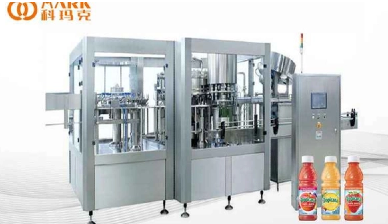
Automation in water filling machines is increasingly enhanced by smart technologies:
IoT and Remote Monitoring – Sensors and connectivity allow managers to monitor production lines remotely, detect malfunctions, and track performance metrics in real-time.
Data Analytics – Automated machines can collect production data, helping managers optimize operations, identify bottlenecks, and improve efficiency.
Predictive Maintenance – Smart systems alert operators to potential mechanical issues before breakdowns occur, minimizing downtime and repair costs.
Energy Efficiency – Automated controls regulate motors, pumps, and conveyors to reduce energy consumption, contributing to more sustainable operations.
These smart features transform water filling machines from simple mechanical devices into intelligent production systems that enhance operational decision-making.
Water filling machines are not one-size-fits-all. Automation strategies differ depending on the type of beverage:
Non-Carbonated Beverages: Gravity and vacuum filling methods are typically used. Automation ensures precise liquid levels and smooth bottle handling.
Carbonated Beverages: Pressure filling and specialized capping systems are essential to maintain carbonation. Automated sensors ensure consistent pressure and prevent foaming, which could compromise product quality.
By adapting automation to the type of beverage, manufacturers can maintain quality, reduce waste, and increase production speed simultaneously.
While automation offers significant advantages, it also presents some challenges:
High Initial Investment: Advanced automated machines can be costly, requiring significant capital outlay.
Technical Complexity: Operators need specialized training to manage automated systems and troubleshoot issues.
Maintenance Requirements: Sensors, motors, and pumps require regular inspection and calibration to ensure consistent performance.
Integration with Existing Systems: Upgrading to automated machines may require adjustments in packaging lines, conveyors, and storage systems.
Despite these challenges, the long-term benefits of automation — efficiency, hygiene, and reduced operational costs — make it a worthwhile investment for most beverage producers.
Many beverage companies have successfully implemented automated water filling machines, demonstrating their transformative impact:
High-Speed Bottled Water Plants: Automated lines handle up to 10,000 bottles per hour, with integrated capping, labeling, and quality inspection systems.
Specialty Beverage Production: Flexible automated systems allow smaller beverage companies to produce multiple flavors in one line without extensive downtime.
Sustainable Production Facilities: Automated CIP and energy-efficient motors reduce water and electricity usage, lowering the environmental footprint of operations.
These examples illustrate that automation is not just a trend but a practical solution for improving productivity and safety in the beverage industry.
Looking ahead, automation will continue to evolve in the beverage industry:
Robotics Integration: Advanced robotic arms may handle bottle packing, palletizing, and material transport, further reducing manual labor.
Artificial Intelligence (AI): AI algorithms will optimize filling speeds, predict maintenance needs, and even detect anomalies in real-time.
Sustainable Automation: Water and energy-efficient machines will become standard, aligning production processes with environmental regulations and sustainability goals.
Customization and Personalization: Smart machines may allow small-batch customization for niche beverage products, enabling manufacturers to respond to market trends quickly.
The convergence of automation, smart technology, and sustainability will redefine how water filling machines operate in the years to come.
The automation of water filling machines is reshaping the beverage industry, offering unprecedented efficiency, consistency, and safety. From high-speed production lines to smart, data-driven systems, automation helps manufacturers meet growing consumer demand while maintaining quality and hygiene standards.
Investing in automated water filling machines is no longer optional for competitive beverage producers — it’s a necessity. Manufacturers that adopt intelligent, flexible, and efficient systems gain a significant edge in productivity, cost savings, and sustainability.
For companies looking to upgrade or expand their water filling capabilities, Zhangjiagang Comark Machinery Co., LTD. provides advanced solutions designed to meet the demands of modern beverage production. Their water filling machines combine automation, precision, and durability, making them a reliable choice for businesses seeking both efficiency and quality. Visit their website to learn more or contact their team for expert guidance on selecting the ideal filling system for your operation.